Source Natural Calcium Lactate Powder for Food, Feed, and Pharma
Compare 27 verified listings for natural calcium lactate powder from Chinese manufacturers. Buyers can evaluate purity levels, packaging options, and certifications like HACCP and ISO to find suitable suppliers for food, feed, and pharmaceutical applications; compare the available evidence and request quotations based on your requirements.
Key considerations
Products List



Comprehensive Sourcing Guide
Natural Calcium Lactate Powder Sourcing Guide
Procuring natural calcium lactate powder requires a clear understanding of its dual role as a nutritional supplement and a food preservative. Buyers must distinguish between products derived from natural resources and those produced via chemosynthesis, as this distinction impacts both regulatory compliance and end-user perception. The observed market data indicates a wide range of purity levels, from 90% to 98% minimum, which directly influences pricing and suitability for specific applications. Sourcing teams should prioritize suppliers who explicitly state their production method, as this affects the product’s classification in various international markets.
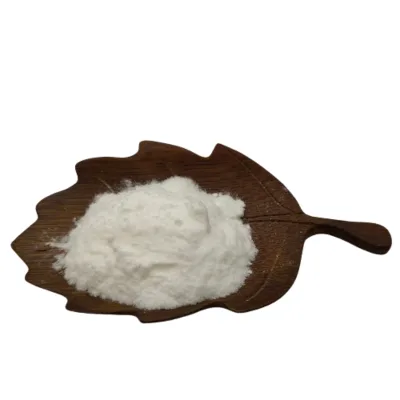
The physical form of the powder is another critical variable, with observations noting white powder, granules, and specific crystal structures. These variations affect solubility and handling characteristics in manufacturing environments. Buyers should verify the particle size and flowability if the powder will be used in automated filling lines or mixed into dry blends. Additionally, the presence of associated additives, such as potassium sorbate for antiseptic effects, requires careful evaluation to ensure it aligns with the final product’s clean label requirements.
Product Scope and Observed Listing Signals
The current market landscape for calcium lactate reveals a diverse array of product offerings, primarily originating from China. Listings frequently highlight certifications such as HACCP, ISO, BRC, and FDA, which serve as baseline indicators of manufacturing quality. However, buyers must scrutinize these claims against specific product models, as some listings associate these certifications with different chemical forms or applications. The observed price range is broad, reflecting differences in purity, packaging, and order volume, necessitating a detailed comparison of total landed costs rather than unit prices alone.
Packaging specifications vary significantly across suppliers, with common formats including 25kg bags, cartons with double plastic liners, and smaller aluminum foil bags for samples or high-value batches. The shelf life is generally reported as exceeding twelve months, with some specific listings noting twenty-four months, provided storage conditions are maintained at normal temperatures. Buyers should confirm whether the packaging material is food-grade paper or plastic, as this impacts sustainability goals and moisture protection capabilities during transit and storage.
Technical Specifications to Verify
Purity is a primary technical differentiator, with observed specifications ranging from 90% to 98% minimum content. Buyers must verify the exact assay method used to determine this purity, as it affects the effective dosage in final products. The molecular weight is a fixed chemical property, typically cited around 308.4, which aids in precise stoichiometric calculations for formulation. Additionally, the pH range of 6-8 indicates a neutral to slightly alkaline nature, which is crucial for maintaining the stability and flavor profile of sensitive food and beverage applications.
The nutrient composition varies by product type, with some listings emphasizing protein or amino acid content, while others focus on mineral content or food additive properties. For applications requiring specific functional benefits, such as antiseptic effects, buyers should check for the inclusion of active substances like potassium sorbate, which may be listed separately or as part of a composite formulation. The resource origin, whether natural or chemosynthetic, also influences the chemical profile and should be explicitly stated in the technical data sheet to ensure alignment with regulatory definitions.
Compliance and Safety Documentation
Certification status is a critical component of the procurement process, with HACCP, ISO, BRC, and FDA approvals frequently cited. Buyers must ensure that these certifications are current and applicable to the specific product grade being purchased. The presence of Kosher certification is another important factor for markets with specific dietary restrictions. It is essential to request valid certificates directly from the certification body or the supplier, rather than relying solely on marketing materials, to verify authenticity and scope.
Regulatory standards such as QS and food-grade classifications provide additional layers of safety assurance. Buyers should verify that the product meets the specific regulatory requirements of their target market, including any local standards for food additives. The absence of certain certifications, such as REACH, should be noted if the product is intended for European markets, although this is not explicitly confirmed in all listings. Documentation should also include material safety data sheets (MSDS) to guide safe handling and storage practices.
Cost Drivers and Commercial Terms
Pricing is influenced by several factors, including purity level, packaging type, and order quantity. The observed minimum order quantity (MOQ) ranges from one unit to two thousand, with some suppliers specifying one ton as a standard MOQ. Buyers should negotiate terms that align with their inventory management strategies, considering the trade-off between lower unit prices for larger orders and the carrying costs associated with bulk storage. Free samples are often available, allowing for preliminary quality assessment before committing to a larger purchase.
Payment terms and lead times are critical commercial considerations that can impact supply chain resilience. While specific lead times are not detailed in the observed data, buyers should establish clear expectations with suppliers regarding production schedules and shipping durations. The use of standard packaging, such as 25kg bags, can reduce handling costs but may require additional equipment for unpacking. Buyers should also consider the total cost of ownership, including potential costs for quality testing and compliance verification, when evaluating supplier quotes.
Supplier Qualification and Quality Control
Supplier qualification involves a thorough review of manufacturing capabilities and quality management systems. Buyers should assess the supplier’s ability to maintain consistent purity levels and physical characteristics across batches. The availability of customization options is a positive indicator of flexibility, allowing for tailored solutions to specific application needs. It is advisable to conduct on-site audits or request third-party audit reports to verify the supplier’s adherence to stated quality standards and production practices.
Quality control procedures should include regular testing for purity, microbial limits, and heavy metals. Buyers should establish clear acceptance criteria and request certificates of analysis (COA) for each shipment. The ability to provide free samples is a useful tool for initial quality verification, but it should not replace ongoing quality monitoring. Establishing a robust quality agreement with the supplier can help define responsibilities for non-conforming products and ensure continuous improvement in product quality.
Long-Term Procurement Checks
Long-term procurement success depends on continuous monitoring of supplier performance and market trends. Buyers should regularly review supplier certifications to ensure they remain valid and relevant. Changes in regulatory landscapes, such as updates to food additive standards, may require adjustments in sourcing strategies. Maintaining open communication with suppliers can help anticipate potential supply disruptions and ensure timely delivery of products.
Building a diversified supplier base can mitigate risks associated with single-source dependencies. Buyers should periodically evaluate alternative suppliers to ensure competitive pricing and quality. Regular quality audits and performance reviews can help identify areas for improvement and strengthen the supplier relationship. By staying informed about industry developments and maintaining rigorous quality standards, buyers can ensure a stable and reliable supply of natural calcium lactate powder for their operations.
FAQs
What purity and appearance does natural calcium lactate powder typically have?
Listed products are typically white powder or granule with a purity of 98% minimum. Purity standards vary by listing, and some items state 90% or 99% instead, so buyers should confirm the exact specification for each product. Checking the certificate of analysis alongside the stated pH range of 6-8 helps verify suitability before ordering a full shipment.
What certifications do calcium lactate powder suppliers commonly hold?
Suppliers in this category commonly list certifications including HACCP, FDA, ISO, BRC, and QS, though not every product carries all of them. Certification coverage differs by listing, so buyers should request current certificates for the specific product and grade they intend to purchase. This is especially important for food and feed applications where compliance documentation is required.
How is natural calcium lactate powder packaged and what is the standard bag size?
The standard packaging is a 25kg bag, and some listings also describe cartons with double food plastic bags or smaller foil bags for samples and low-volume needs. Packaging material is listed as paper for certain products. Buyers shipping in bulk should confirm bag type, inner liner, and pallet configuration with the supplier before confirming the order.
What is the typical minimum order quantity for calcium lactate powder?
Listed minimum order quantities commonly start at 1 ton, although some products on the page show MOQs as low as a single unit. MOQ depends on the individual listing, grade, and packaging format. Buyers testing quality first can request the free sample offered on many listings before committing to a one-ton commercial order.
Can buyers request customized packaging or formulations?
Yes, customization is listed as available across these products, so buyers can typically request tailored packaging, specifications, or labeling. Customization terms such as cost, tooling, and minimum volumes are agreed directly with the supplier. It is practical to confirm customization feasibility early, especially when combining it with certification requirements or a specific 25kg bag format.
How should calcium lactate powder be stored and how long does it last?
The products are stored under normal conditions and list a shelf life of more than 12 months, with some listings stating 24 months. Keep the powder sealed in its original bag, away from moisture and strong odors, to preserve quality. Always verify the production date on the bag and plan inventory so stock is rotated within the stated shelf-life window.